

AI video is now part of everyday paid social creative. The first three seconds decide whether someone stops scrolling, and you need many variations to find the ones that do. Making that many clips the traditional way is slow and expensive.
So which tool should you build on? Runway is known for polished, controllable, cinematic output. Pika is built for speed, effects, and fast iteration. This guide compares them on quality, speed, cost, workflow, and conversion potential, so you can pick the right one for each stage of your ad process.
Quick Verdict: Runway vs Pika for Social Ads
- Runway is best for premium brand ads, cinematic product visuals, and precise motion control.
- Pika is best for fast TikTok and Reels hooks, viral effects, and high-volume creative testing.
Bottom line: Runway is for brand quality, and Pika is for speed and iteration. Most advertisers get the best results by using both, in sequence.
Table of Contents
Why High-Converting Social Ads Need AI Video
Paid social runs on attention, and attention is cheap to lose. If your opening frame doesn’t earn a pause within 1 to 3 seconds, nothing after it matters. That makes your hook the highest-leverage part of any ad.

The platforms also reward variety. TikTok, Reels, and Shorts all fatigue creatives quickly, so one “perfect” ad rarely survives. You need several hooks, formats, and angles in rotation.
AI video helps in three ways:
- Production time drops from days to hours.
- Testing gets cheaper, because a bad idea costs you a few credits instead of a shoot day.
- Small teams can compete with brands that have in-house studios.
If you’re also building your social workflow around editing tools, our comparison of CapCut vs Canva for social media reels and stories covers the finishing side of the process.
Runway for Social Ads
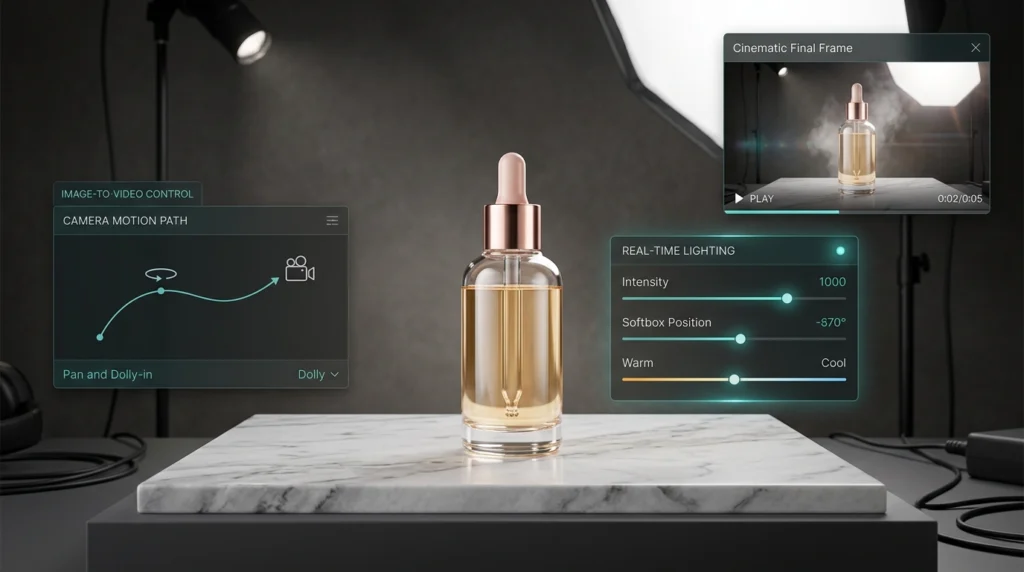
Runway has positioned itself as the “production-grade” option. It’s the tool to reach for when an ad has to look expensive.
Strengths
- Cinematic, high-fidelity output
- Strong motion control and prompt adherence
- Solid image-to-video, which is useful when you already have product photography
- An editing workflow that suits multi-shot work
Best use cases
- Product demos and hero visuals
- Luxury and DTC brand ads
- Polished UGC-style creatives
- Multi-shot brand campaigns where consistency matters
Limitations
- Higher cost per usable clip
- Slower iteration, since each generation is more deliberate
- A steeper learning curve for beginners
Pika for Social Ads
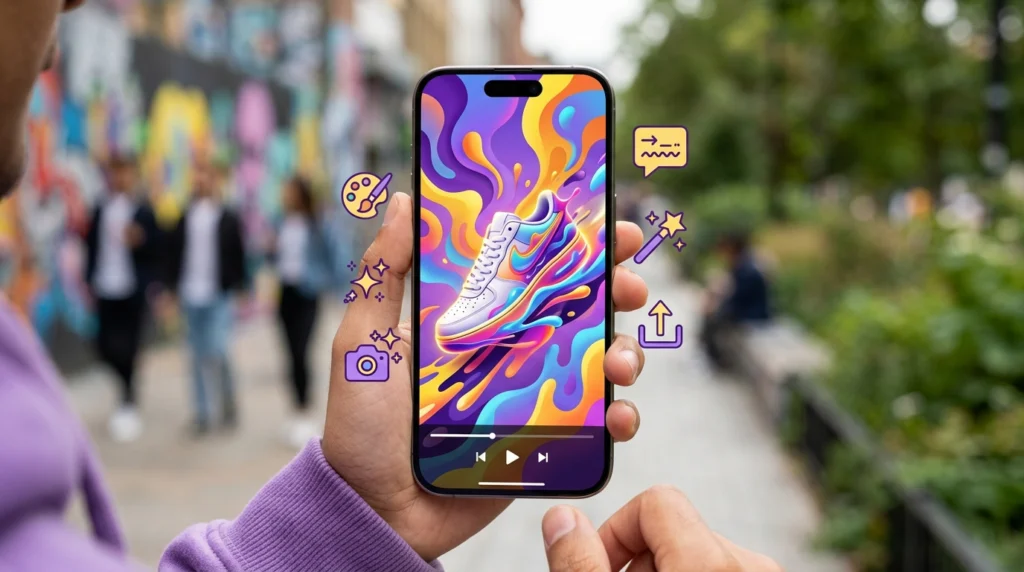
Pika leans into speed, effects, and a low barrier to entry. Its signature effects are built for the scroll-stopping, slightly surreal moments that perform well on TikTok and Reels.
Strengths
- Very fast generation
- Creative effects made for social-first content
- A simple workflow with a low entry price
Best use cases
- TikTok and Reels hooks
- Viral product moments and playful effects
- Rapid A/B testing of openings
Limitations
- Lighter fine control over motion and scene details
- Fewer advanced production features
- Variable consistency across shots, which makes multi-scene brand work harder
Head-to-Head Comparison

| Factor | Runway | Pika |
|---|---|---|
| Video quality | Cinematic, high-fidelity | Fast, social-first, effect-driven |
| Speed of iteration | Moderate | Very fast |
| Creative control | Strong motion and editing controls | Strong effects, lighter control |
| Best ad formats | Premium product and brand ads | Short-form hooks and UGC-style ads |
| Learning curve | Medium to high | Low |
| Cost efficiency | Better for polished final assets | Better for volume testing |
| Conversion use case | Brand trust and premium positioning | Hook testing and rapid creative variants |
Runway is generally associated with production-ready motion control and cinematic consistency. Pika is organized around fast generation and effect-led social clips. Neither is “better” in the abstract. They are strong at different jobs.
Pricing and Production Cost
Pricing changes often in this category, so check the live pages before you commit: Runway pricing and Pika pricing. Here is the general picture as of October 2026, based on recent third-party breakdowns.

Runway sells monthly subscriptions with a credit allowance. The Standard plan starts at $15/month with 625 credits, while Pro runs $35/month with 2,250 credits. Credits drain at different rates depending on the model: Gen-4.5 burns 12 credits per second, while Gen-4 Turbo runs at 5 credits per second. Standard and Pro credits refresh monthly without rollover. runway pricing +2
Pika is cheaper to enter. The free tier provides 80 monthly credits, and standard plans start at $8 per month on annual billing, with 700 credits. Cost depends heavily on resolution. A 480p generation costs 12 credits on the free plan and 24 on paid plans, while 1080p runs 40 to 80 credits depending on the feature. lumalabseesel
Why the subscription price is misleading
The monthly fee is only part of the real cost. Look at:
- Credit burn: failed or off-prompt generations still consume credits. One comparison site estimates this at 15 to 30% of credits on some plans, so treat that as a rough figure.
- Retries: a clip that works on the first try is rare. Budget 3 to 5 attempts per final clip.
- Resolution and length: higher resolution and longer clips multiply costs quickly.
- Queueing and export limits: slower queues and export caps slow your testing cycle.
- Commercial-use rights: confirm them for your specific plan before running paid ads.
A smart testing budget
Spend most of your exploration credits on Pika, where each idea is cheap to test. Move only the proven winners to Runway, where the higher cost per clip is justified by a higher-value final asset. If you’re keeping tool costs low across your whole stack, our roundup of 10 free AI websites that will save you 10 hours is a useful companion.
Which Tool Wins by Ad Objective
- Awareness campaigns: Pika wins. Bold, unusual visual hooks earn attention at low cost.
- Product conversions: Runway wins. Clear product presentation and controlled motion build buying confidence.
- Retargeting: Use Pika for fresh variations that fight fatigue, and Runway for premium reminder creatives.
- UGC-style ads: Pika wins on speed. Choose Runway when visual consistency matters more.
- Agency workflows: Runway suits client-facing polish, and Pika suits rapid concept sprints.
A Practical Workflow for High-Converting Ads

- Start with one proven offer and one audience insight. AI video amplifies a good offer but can’t rescue a weak one.
- Write 5 to 10 short hooks built around a problem, a benefit, or a curiosity gap. An AI assistant helps here, and our guide to the best ChatGPT alternatives can help you pick one for scripting.
- Generate 15 to 20 vertical variations in Pika to test opening frames and effects.
- Pick the top 2 to 3 concepts using hook rate, watch time, and CTR.
- Recreate the winners in Runway with cleaner motion, product focus, and brand consistency.
- Add captions, a CTA, sound design, and platform-specific cuts. A fast editor does this job well. See CapCut vs Canva for which suits you.
- Launch structured A/B tests and refresh creatives before fatigue sets in.
For platform-specific inspiration, the TikTok Creative Center shows trending ads and hooks by region and industry.
Conversion Checklist for AI Social Ads
- Hook within the first 1 to 3 seconds
- One clear message per ad
- Native vertical format (9:16) for TikTok, Reels, and Shorts
- Readable captions and a visible CTA
- Product shown early and clearly
- Multiple creative variations, not one “perfect” ad
- Tracking of thumb-stop rate, hold rate, CTR, CPA, and ROAS, not just views
Use your ad platform’s reporting, such as Meta Ads Manager, to compare variants on cost per result rather than on views.
Final Recommendation
- Choose Pika if your priority is speed, volume, and testing many social-first hooks.
- Choose Runway if your priority is premium visual quality, control, and conversion-ready brand creative.
- Best strategy for most advertisers: use both. Pika discovers the winning angles, and Runway scales them into polished paid ads.
Frequently Asked Questions
Is Runway or Pika better for TikTok ads?
For finding hooks, Pika is usually better because it generates fast and offers effects built for short-form content. For polished final versions of your winning concept, Runway gives you more control.
Is Pika good enough for paid ads, or is it only for organic content?
Pika works for paid ads, especially for hook testing and UGC-style creatives. Its limits are fine control and consistency, so brand-sensitive campaigns often need a Runway pass.
How much does it cost to make AI video ads with Runway and Pika?
A basic setup can start at roughly $8 to $15 per month per tool, but the real cost depends on credits. Budget for retries, since not every generation is usable.
Can I use Runway and Pika videos commercially?
Rights depend on your plan and the current terms. Check each tool’s pricing and terms pages before running paid ads, and keep a record of the plan you used for each asset.
How many ad variations should I test?
A good starting range is 15 to 20 vertical variations from 5 to 10 hooks. Narrow to the top 2 or 3 based on hook rate, watch time, and CTR, then refine those.
Which metrics matter most for AI-generated social ads?
Track thumb-stop rate and hold rate for creative strength, then CTR, CPA, and ROAS for business results. Views alone tell you little about conversion.
Do I need both tools?
No. If you have a small budget, start with Pika for testing and scale what works. Add Runway once you have winning concepts that deserve premium treatment.
How often should I refresh AI video creatives?
Refresh before performance drops, not after. Rotate in new hooks and variations regularly, and watch for falling hold rate and rising CPA as early signs of fatigue.
Pricing and credit plans in this category change often. Verify the current numbers on Runway and Pika before publishing or buying.