
Introduction
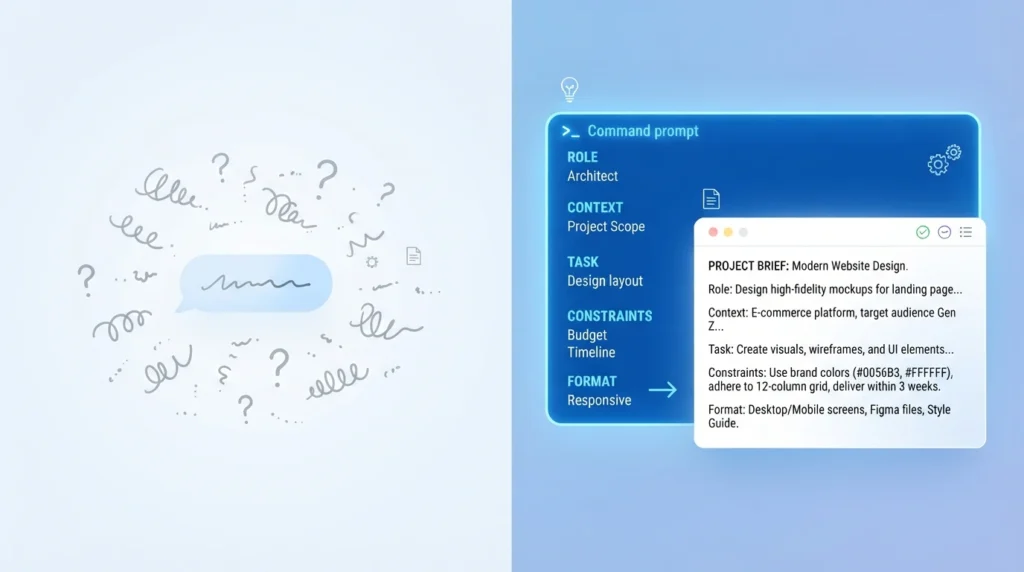
Type a vague thought into ChatGPT, Claude, or Gemini and you’ll usually get a vague answer back. Ask the same tool something painfully specific — role, context, format, constraints — and the output suddenly looks like it came from a specialist who’s been briefed for an hour. That gap isn’t luck. It’s structure.
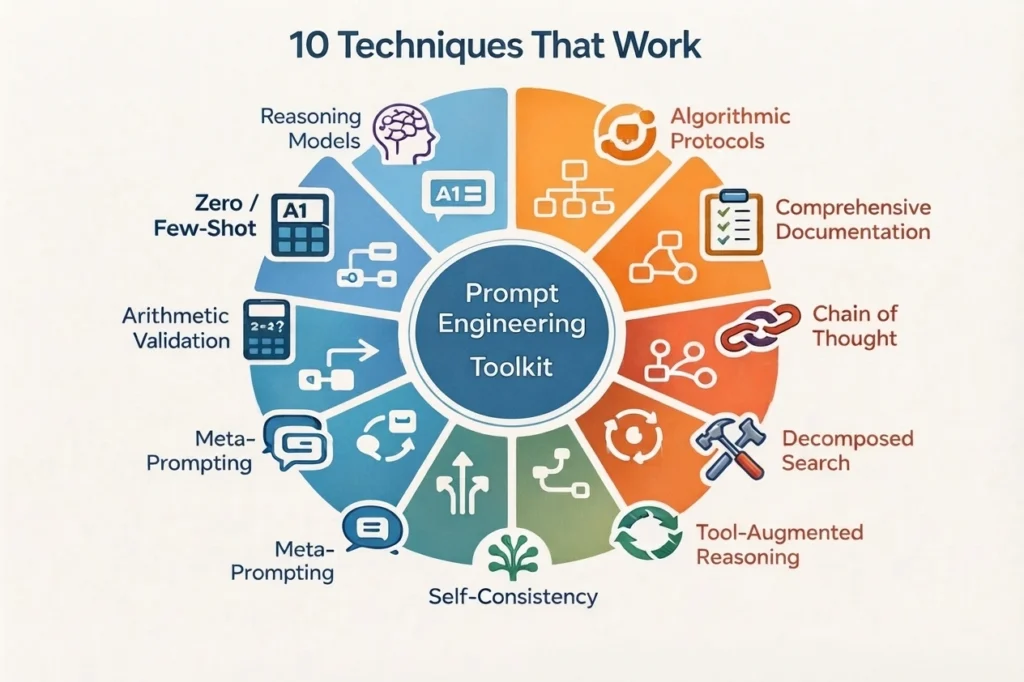
This guide breaks the field into two practical toolkits: five techniques that shape how the AI reasons, and five frameworks that shape how you structure your ask. Master both, and you stop gambling on outputs and start engineering them.
What Is Prompt Engineering
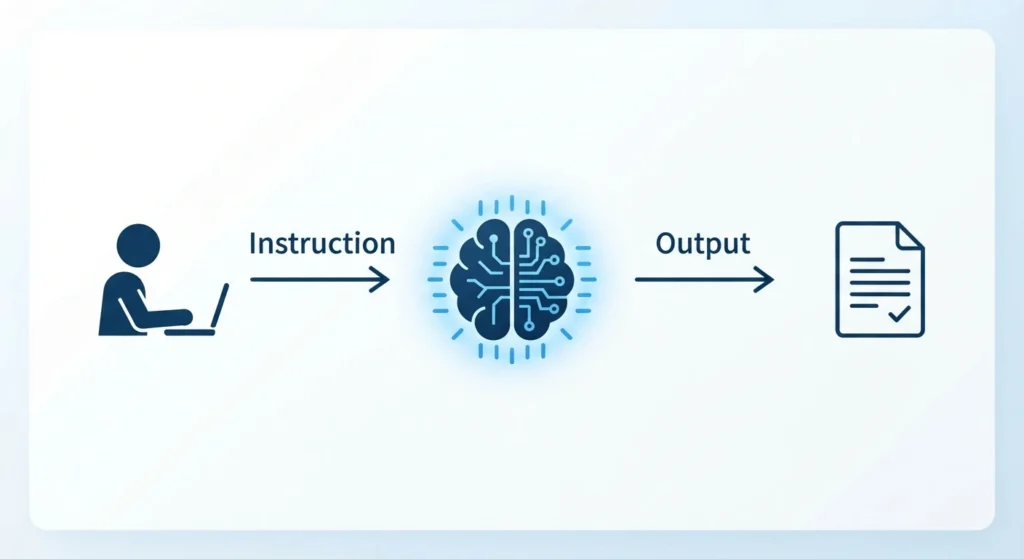
Prompt engineering is simply the practice of writing instructions that guide an AI model toward the exact output you want, rather than the output it defaults to. It’s not a mystical skill reserved for developers — it’s closer to writing a really good brief for a smart but literal-minded intern. The intern (the model) will do exactly what you say, not what you meant, so the words matter.
This guide breaks the field into two practical toolkits: five techniques that shape how the AI reasons, and five frameworks that shape how you structure your ask. Master both, and you stop gambling on outputs and start engineering them.
Table of Contents
The Foundation: What Makes a Great Prompt?
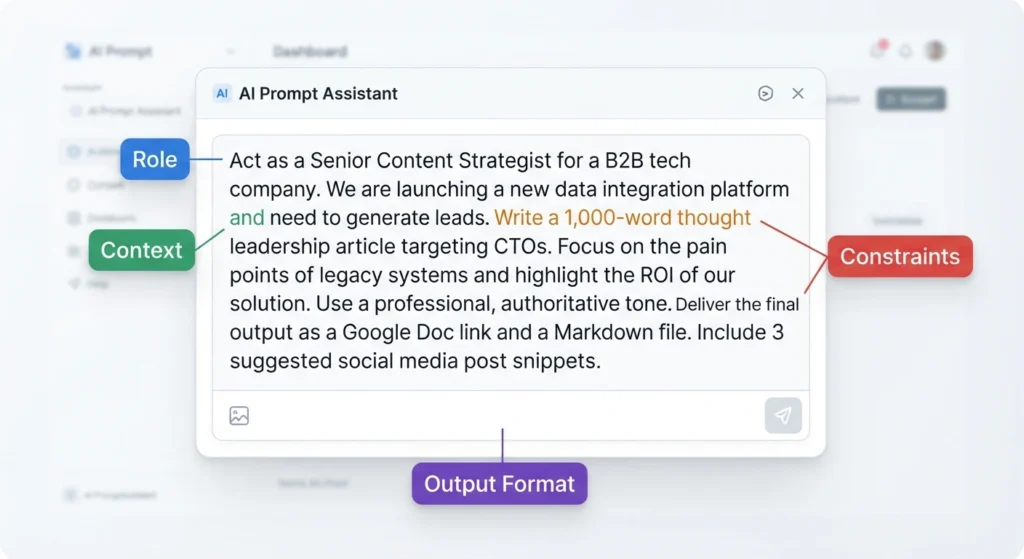
Before the techniques, it helps to know what an elite prompt is built from. Most high-performing prompts combine:
- Role — who the AI should act as (“You are a senior data analyst…”)
- Context — the background information the model needs to do the job well
- Task — the specific action you want performed
- Constraints — what to avoid, how long the output should be, what tone to use
- Output format — the shape the answer should take (a table, a list, JSON, a paragraph)
Leave any of these out and the model has to guess — and it guesses toward the most generic, average answer it can produce, since that’s the statistically safest bet for an ambiguous request. Context and clarity aren’t nice-to-haves; they’re what separates a mediocre AI output from one that’s genuinely usable, a point Anthropic’s own prompt engineering documentation makes when it recommends chaining prompts and feeding large documents in organized chunks rather than dumping everything at once. If you’ve ever tried getting a clean, ready-to-use image prompt out of an AI tool, you already know this — our guide on copy-paste Gemini photo prompts exists precisely because a well-structured prompt saves you from ten rounds of frustrated re-generation.
Prompt Techniques
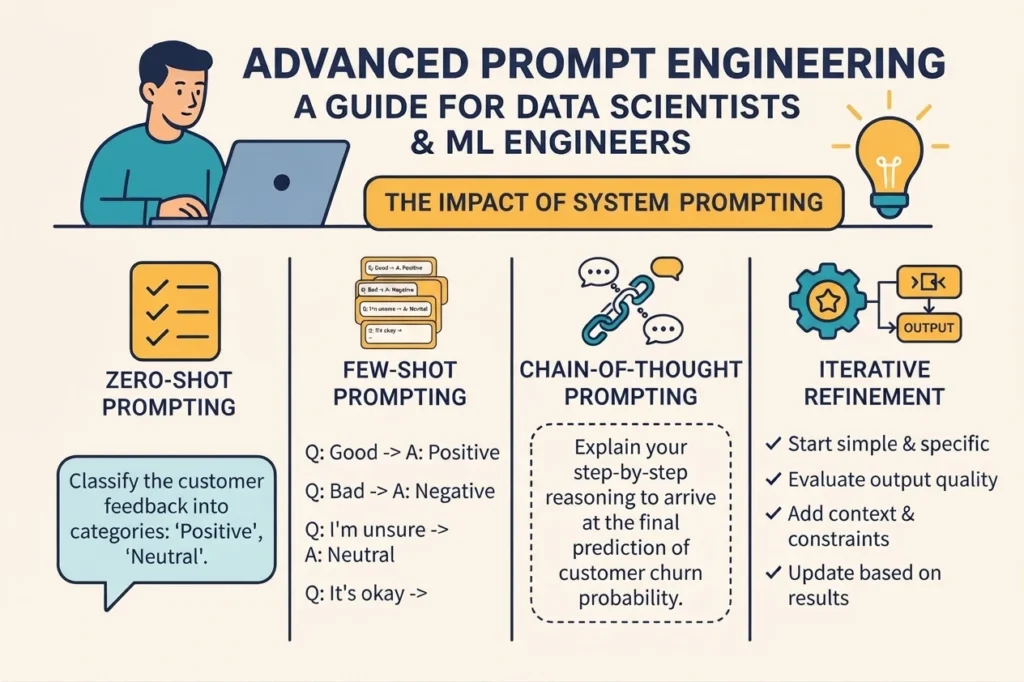
These are the reasoning methods that change how the AI thinks through a problem — zero-shot, few-shot, chain-of-thought, generated knowledge, and least-to-most prompting. Each one controls the model’s logical path, from giving it no examples at all to forcing it to reason step-by-step or break a big task into smaller stages.

Prompt Strategies
These are the structural frameworks that shape how you write the prompt itself — TRACE, persona assignment, negative prompting, iterative refinement, and output formatting. Instead of changing the AI’s reasoning, they organize your instructions so nothing critical gets left out.
Part 1: The 5 Best Prompt Engineering Techniques
These are the cognitive methods — the logical paths you send the model down to get better reasoning, not just better wording.
1. Zero-Shot Prompting
This is the most basic form of prompting: you give the AI an instruction with no examples at all and trust its training to fill the gap. It works well for broad, well-known tasks — summarizing an article, drafting a generic email, explaining a concept. The trade-off is consistency: without examples, the model picks its own interpretation of “good,” which may not match yours.
Best for: quick, low-stakes tasks where you don’t have a strict format in mind.
2. Few-Shot Prompting
Here you show the model two or three examples of the input-output pattern you want before asking it to continue the pattern. If you want product descriptions written in a specific voice, show three examples in that voice, then ask for the fourth. This is exactly the logic behind ready-made prompt templates like our Gemini birthday image prompts for men and women — giving the model a concrete example to follow produces far more reliable results than describing the style in the abstract.
Best for: anything where tone, structure, or formatting consistency matters — especially repeatable content production.
3. Chain-of-Thought (CoT) Prompting
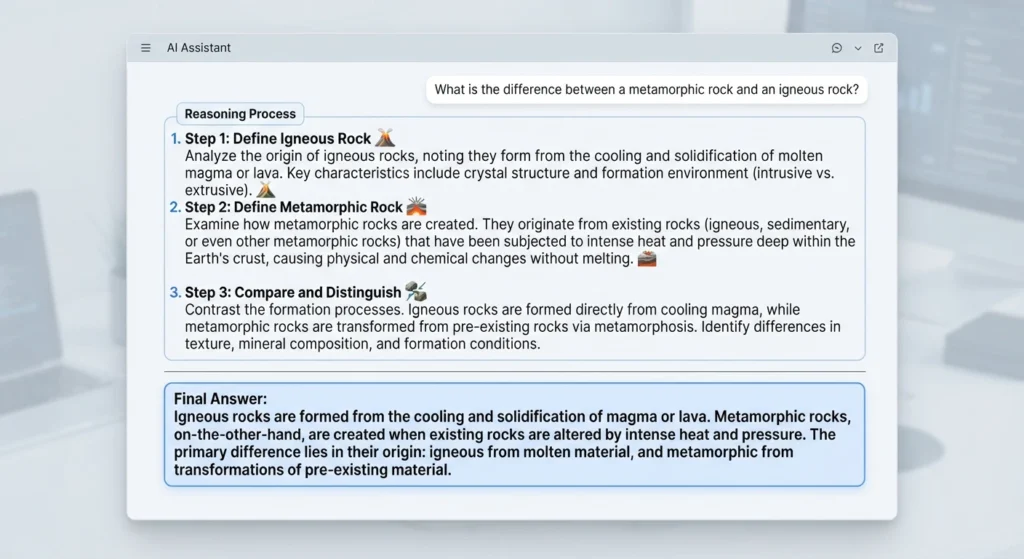
Large language models generate text one token at a time, which means they can “talk themselves” into an answer without ever truly checking their own logic — unless you force them to slow down. Chain-of-thought prompting does exactly that: you ask the model to reason step-by-step before giving a final answer, typically with a phrase like “think through this step by step.” It’s one of the most well-documented accuracy boosters in prompting research, particularly for math, logic puzzles, and multi-step decision-making, because it forces a visible reasoning trail instead of a plausible-sounding jump to a conclusion. OpenAI’s own prompt engineering guide lists this same reasoning-first approach as one of its core recommendations.
Best for: complex logic, math, multi-step analysis, or any task where a wrong intermediate step would ruin the final answer.
4. Generated Knowledge Prompting
Instead of asking the model to answer a question directly, you first ask it to generate relevant background facts about the topic, then ask the core question using that generated context. It’s a two-step move: knowledge first, answer second. This reduces the chance the model skips considerations it technically “knows” but wouldn’t otherwise surface.
Best for: questions that benefit from grounding — strategy, analysis, or anything where surfacing assumptions first improves the final judgment.
5. Least-to-Most Prompting
Big, messy tasks overwhelm a single prompt. Least-to-most prompting breaks a large task into a sequence of smaller sub-tasks, solving them one at a time, with each answer feeding the next. This is the same principle behind turning ChatGPT into a real study partner rather than a one-shot answer machine — our piece on how to use ChatGPT to study smarter walks through exactly this kind of staged, step-by-step prompting.
Best for: large projects, multi-stage content or research tasks, anything you’d naturally break into a checklist if a human were doing it.
Part 2: The 5 Best Frameworks & Strategies
If techniques are the reasoning paths, frameworks are the templates — the checklist you run through so nothing important gets left out of the prompt itself.
6. The TRACE Framework
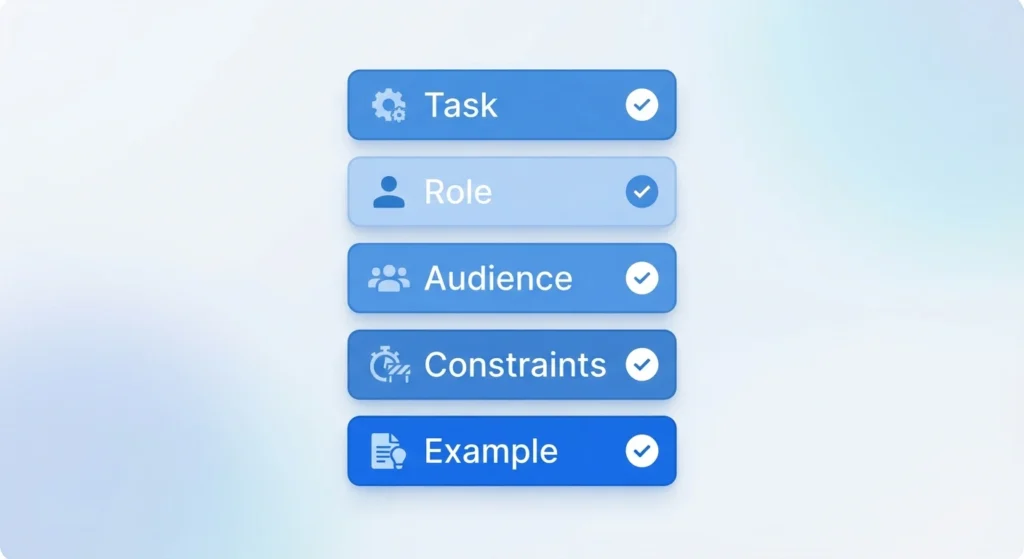
TRACE stands for Task, Role, Audience, Constraints, Example — a five-part structural blueprint you can reuse for almost any prompt: what exactly you want done, who the AI should act as, who the output is for, the length/tone/things-to-avoid, and a sample of the style you’re after. Running through TRACE before you hit send catches the gaps that usually cause a disappointing first draft.
7. Persona-Based Strategy
Assigning the AI a specific expert identity — “Act as a senior growth marketer with 10 years in SaaS” — narrows its frame of reference and sharpens the vocabulary, priorities, and depth of its answer. It’s one of the fastest wins available: a one-line persona instruction can transform a flat answer into one with real domain texture, for almost no extra effort.
8. Negative Prompting
Telling the AI what it shouldn’t do is often more effective than describing what it should. “Don’t include a summary at the end,” “avoid corporate jargon,” “skip the disclaimer” — these negative constraints eliminate the AI’s most common default habits (hedging, repetitive structure, filler intros) more reliably than a positive instruction alone.
Best for: cutting AI-sounding filler and repetitive phrasing that creeps into longer outputs.
9. Iterative Refinement Strategy
Treat the prompt window as a conversation, not a vending machine. Rather than rewriting the entire prompt from scratch, respond with targeted feedback — “make the second paragraph punchier,” “cut this by half,” “add a concrete example here” — and let the model refine in place. This mirrors how any editor actually works with a writer, and it consistently outperforms trying to nail everything in one giant, front-loaded prompt.
10. Output Formatting Strategy
Explicitly requesting a structured format — a markdown table, JSON, numbered steps, bullet points, or a code block — forces the model to organize information logically rather than burying key details inside dense paragraphs. The Prompt Engineering Guide by DAIR.AI is a good next stop if you want to see this technique applied across dozens of real-world prompt patterns.
Best for: outputs that feed into another system (a spreadsheet, a script, a CMS) or that a reader needs to scan rather than read linearly.
Prompt Engineering Common Pitfalls to Avoid
- Being overly vague or conversational. “Can you maybe help me with something for my blog?” gives the model almost nothing to work with. Specificity isn’t rude — it’s the entire point.
- Overloading a single prompt with conflicting demands. Asking for “a short but comprehensive, casual but authoritative, 200-word deep-dive” sets the model up to fail because the constraints contradict each other.
- Failing to iterate. The biggest quality jump often comes from one round of specific feedback, not a full rewrite.
Prompt Engineering Conclusion
None of these ten approaches require special access or paid tools — they’re habits of thought you bring to any AI model. Stack a few together — say, a persona plus chain-of-thought plus a formatting request — and the improvement compounds fast. Pick one, test it on your next prompt, and the difference is usually immediate.
Frequently Asked Questions about Prompt Engineering
Q1: What is the difference between prompt techniques and prompt frameworks?
Techniques (like Chain-of-Thought or Few-Shot) refer to the cognitive methods and logical paths you use to make the AI reason through a problem. Frameworks (like TRACE) are structural templates or checklists you follow to organize your prompt text logically from start to finish.
Q2: Which prompt engineering technique is best for beginners?
Zero-Shot Prompting combined with the Persona-Based Strategy is the easiest place to start. Simply telling the AI who it is and what you want immediately yields significantly better results than a plain question.
Q3: Why does “Chain-of-Thought” prompting improve AI accuracy?
Large language models predict text token-by-token. When you ask a complex question and force the model to write out its intermediate steps first, it builds a logical trail, drastically reducing math, logic, and reasoning errors.
Q4: Can I use these techniques across different AI tools like ChatGPT, Claude, and Gemini?
Yes. These 10 techniques and frameworks are model-agnostic. Whether you are using OpenAI’s ChatGPT, Anthropic’s Claude, or Google’s Gemini, the underlying principles of clear communication and structured prompting remain identical.